Biodiversity in the agricultural landscape
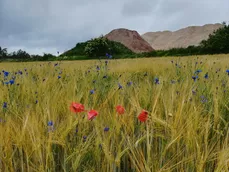
Current projects: BlüDiv
Completed projects: Field Ponds | Rare Arable Plants I | Rare Arable Plants II | FruKlimaBest

Biological invasions
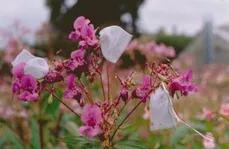
Biological invasions are processes of species spreading outside their native range. By alien species, we mean species that occur freely in an area outside their previous range and establish self-sustaining populations there. The decisive factor here is that the occurrence of the species in the area was previously prevented by dispersal barriers and not by the site conditions of the new area. Biological invasions are often the reason for specific restoration projects, but they can also be unintentionally encouraged by the disturbance associated with restoration. Biological invasions are not only an ecological and biogeographical issue, but also have an economic and social dimension. It is therefore an interdisciplinary field of work with a bioscientific core. We are primarily concerned with ecological issues relating to the spread of species outside their native range.
Completed projects: Biological Invasions | Subtropical Grassland | Invasion resistence | Water Ragwort | Green Topping
Grassland restoration
The dynamics of natural vegetation is controlled by complex interactions of various factors, among them most significant climate, soils, disturbance and site history. The same is true for restored ecosystems, but here more research is needed to understand the long-term trajectories of ecosystem development. We investigate the role of key factors in limiting or facilitating regeneration of restored wetlands and grasslands. Current projects focus on the role of fire, climate and soil conditions in temperate, subtropical and tropical regions.
Current projects: Inn Dikes
Completed projects: Seed Sources | Calcareous Grasslands | Subtropical Grassland | Danube Dikes | Green Topping | Grassworks

Ecosystem dynamics
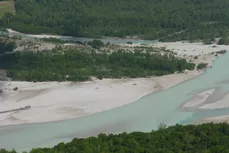
Almost all large Alpine rivers originally had very extensive floodplains, in which an almost unimaginable site dynamic took place today. Due to the regulation and canalization of most rivers, these dynamics and the associated biodiversity have largely been lost. Current efforts to improve flood protection offer an opportunity to restore some of the wild river dynamics. Gravel banks and accumulations of deadwood are important for the preservation or reintroduction of endangered pioneer vegetation, but there is no current data on these, e.g. along the Isar.
Current projects: A-DUR
Completed projects: Wild River Species

Urban biodiversity
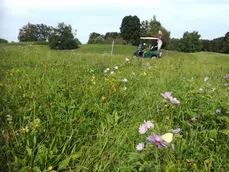
Current projects: GolfBiodivers | SUDS I I SUDS II
Completed projects: Flower Strips | LandKlif