
AmazonFACE Program

Assessing the impacts of increased atmospheric CO₂ on the ecology and resilience of the Amazon forest
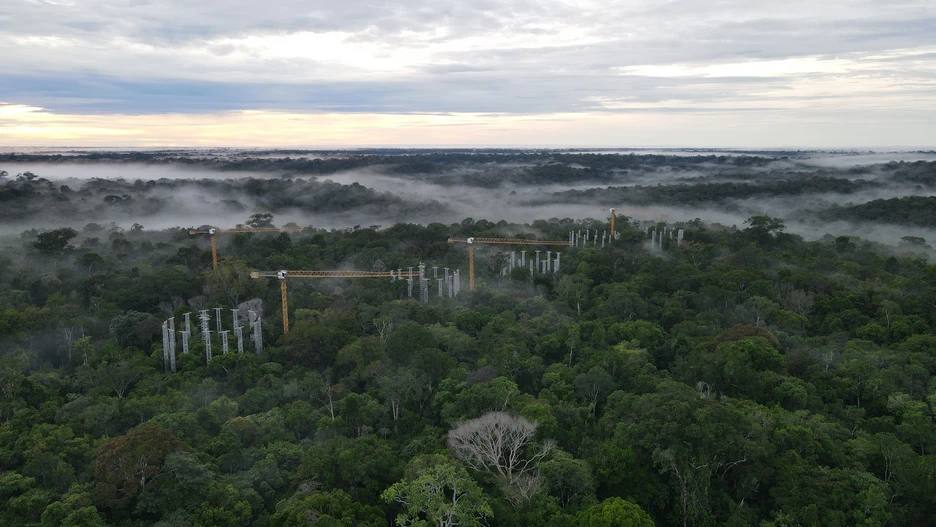
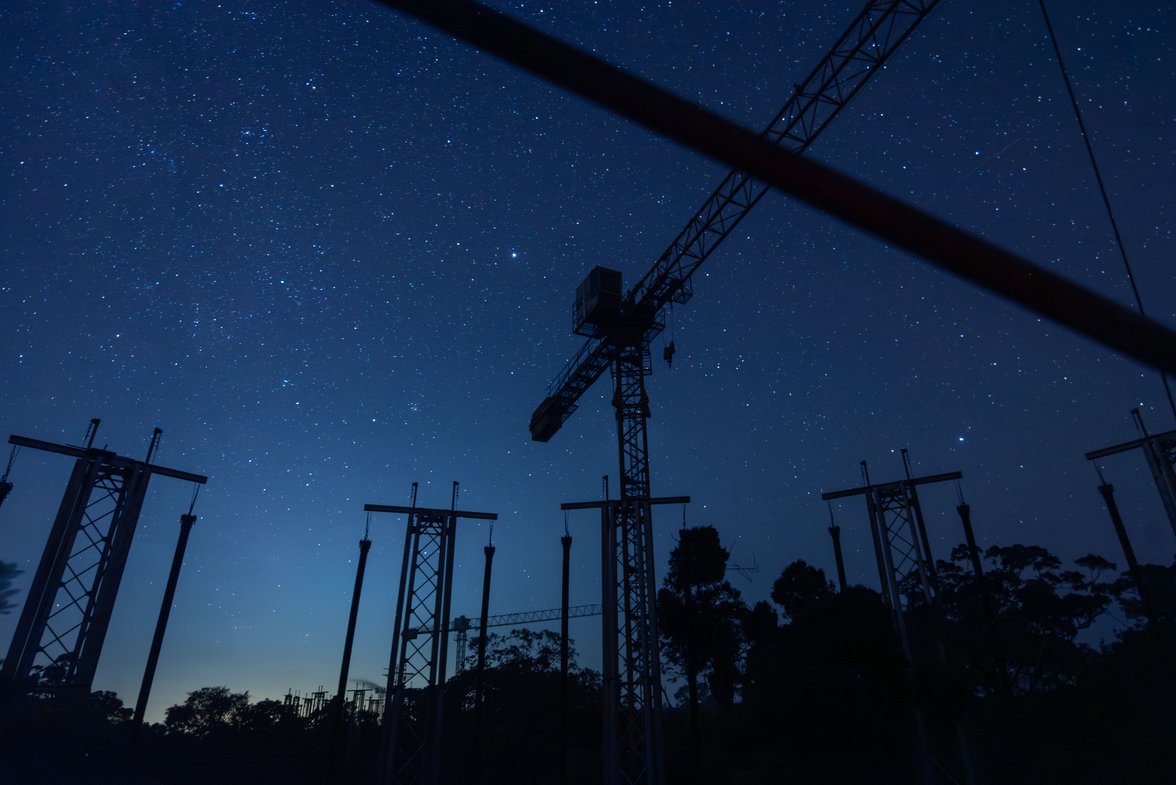
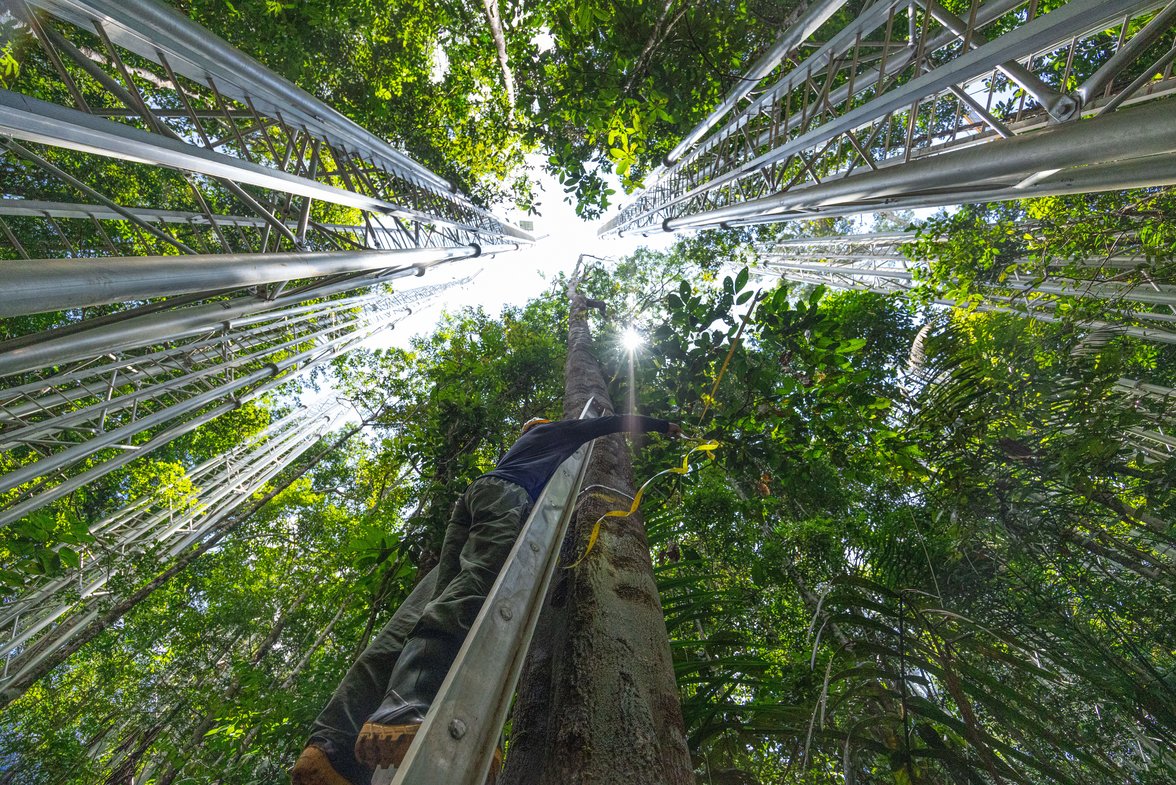
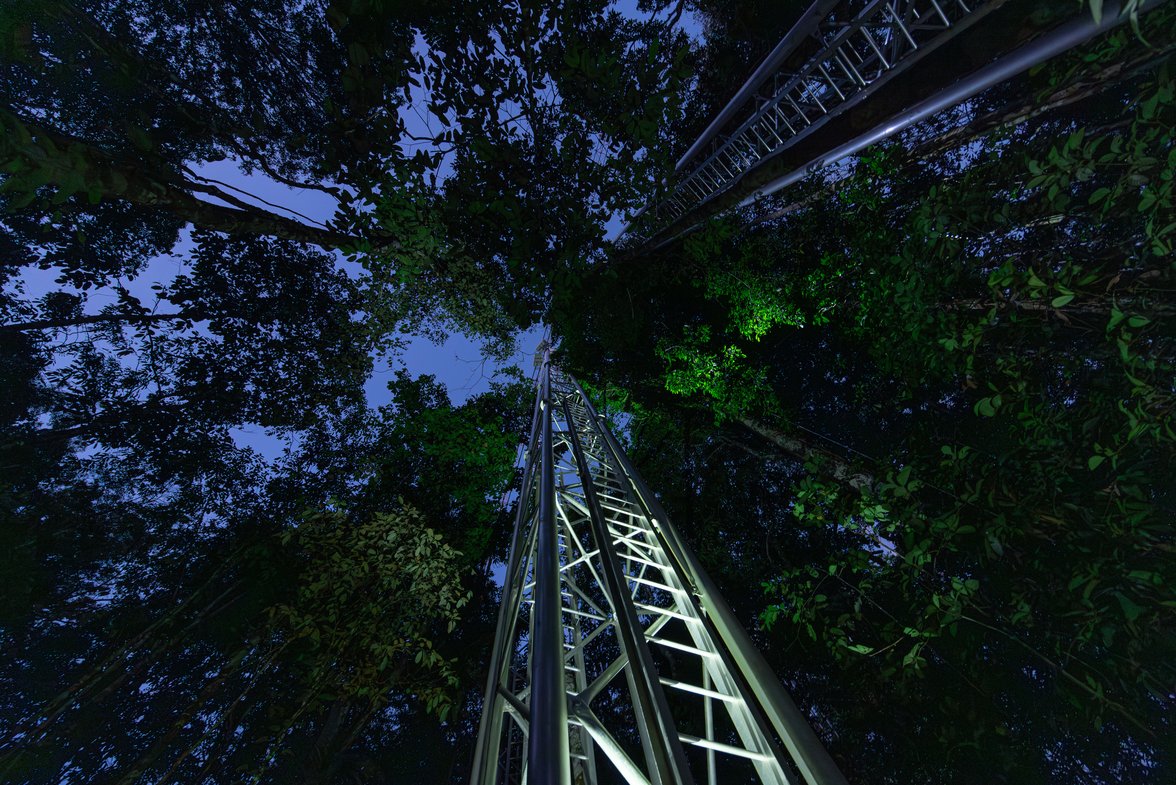
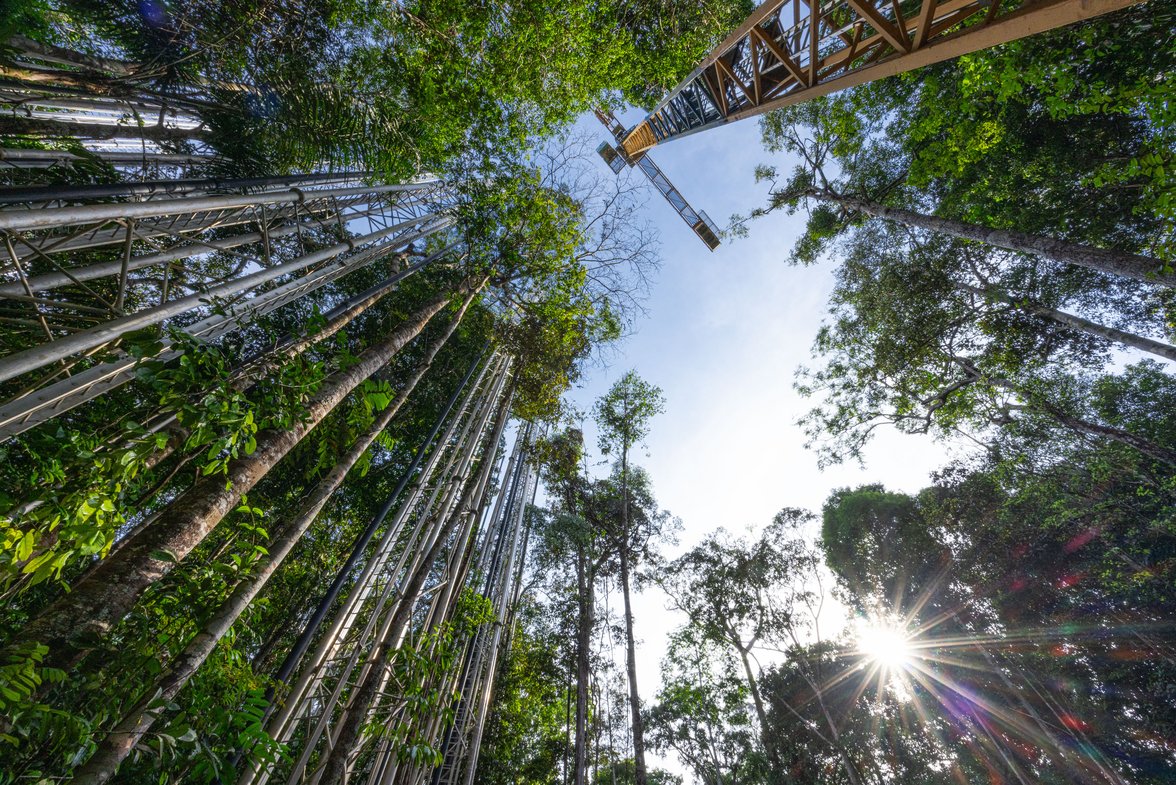
AmazonFACE is a CO2 enrichment experiment of unprecedented scope and importance, conducted in a primary, old-growth forest in the central Amazon. The experiment will simulate the future atmospheric CO2 composition in order to attempt to answer the question: “How will rising atmospheric CO2 affect the resilience of the Amazon forest, the biodiversity, and the ecosystem services it provides?”
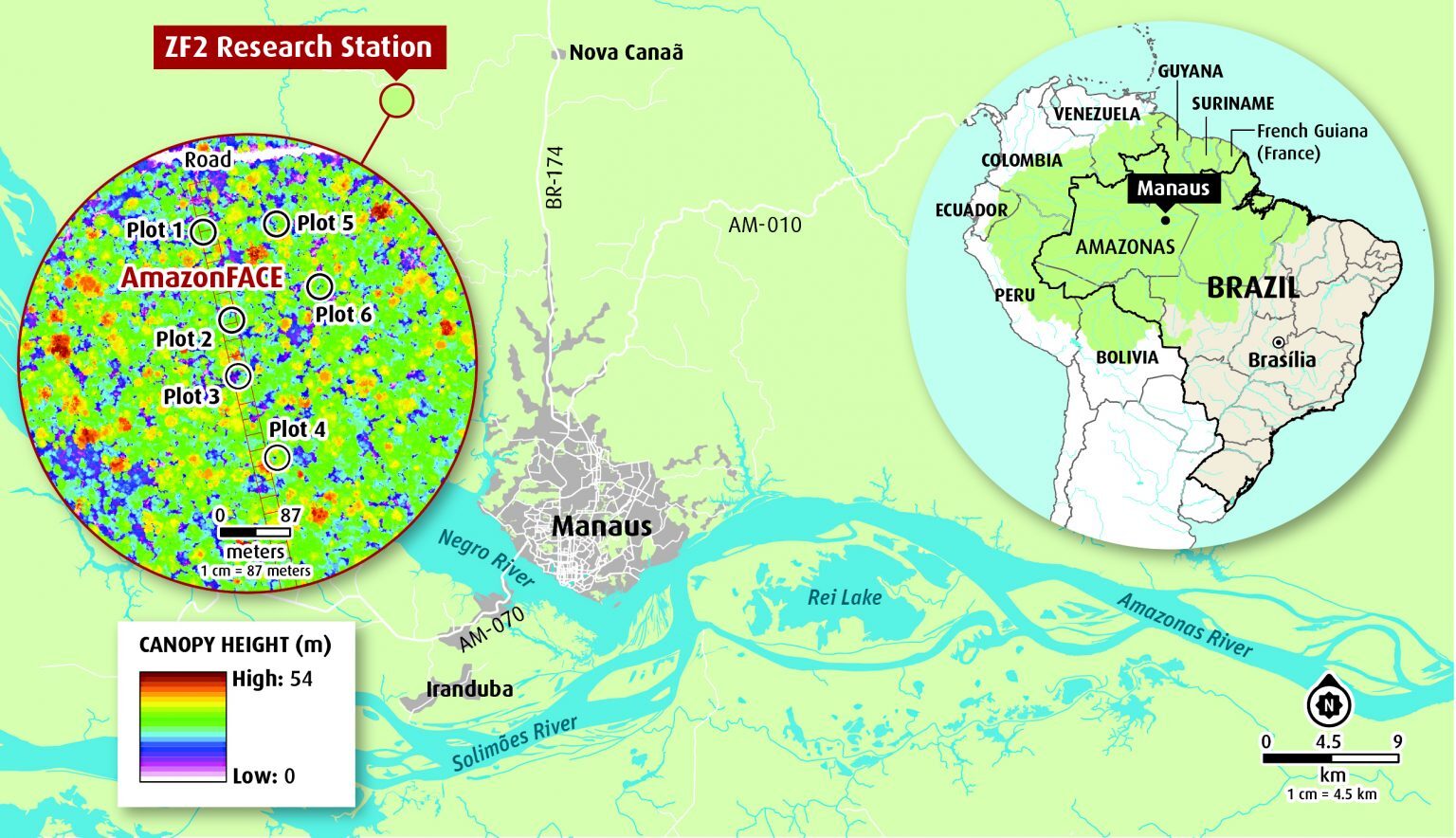
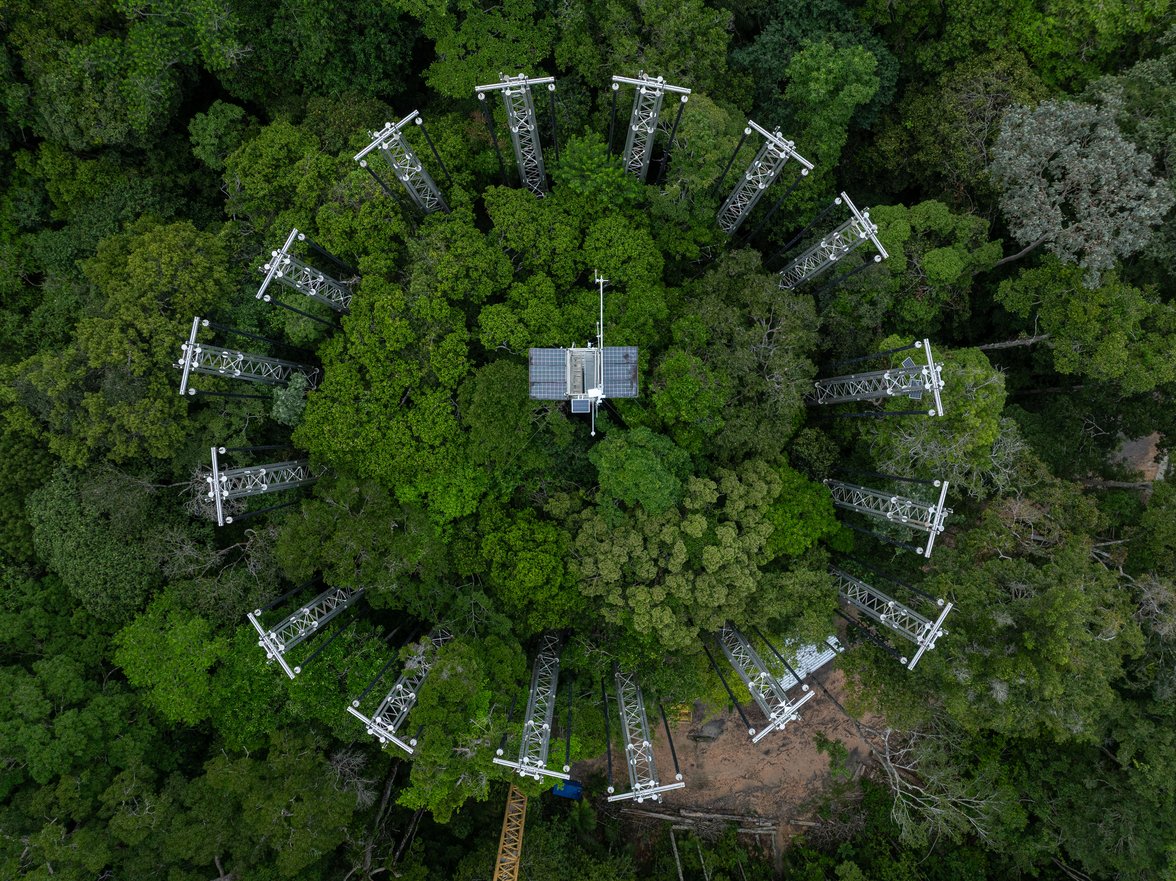
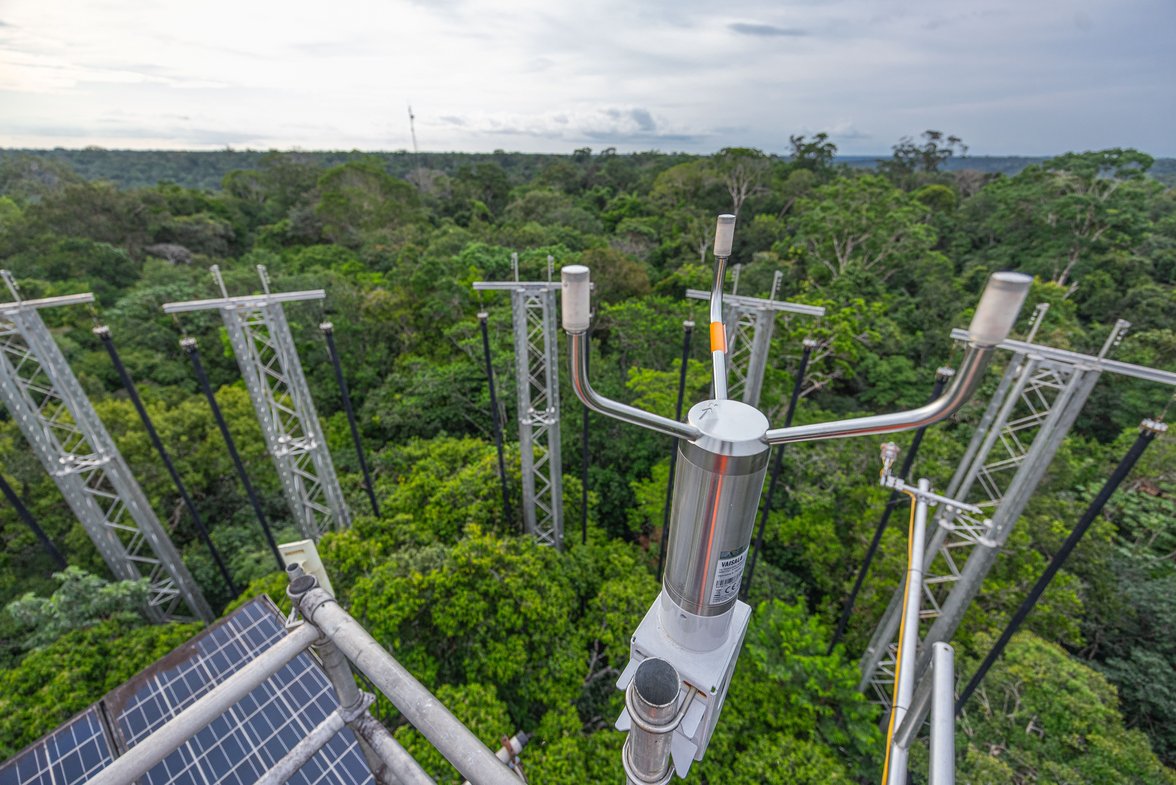
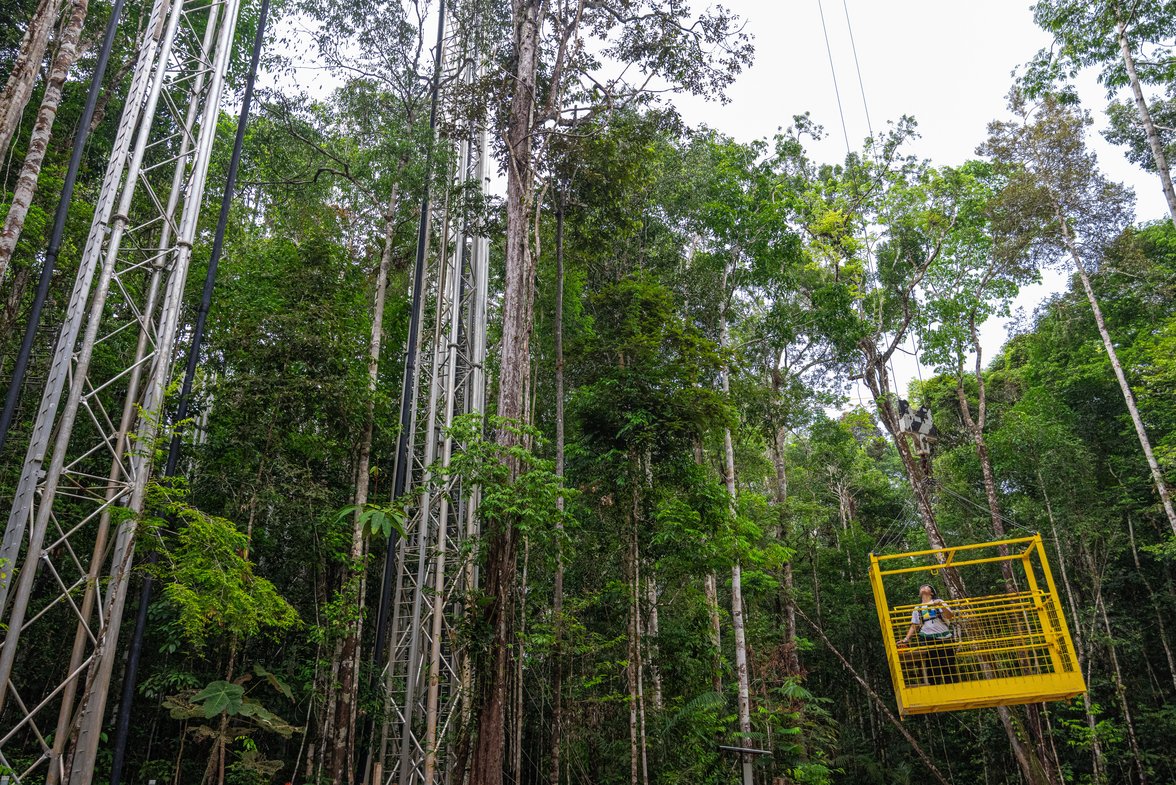
The experiment consists of six 30 m diameter plots, three of which are maintained at ambient CO2 concentrations, and the other three are kept at elevated (+200 ppm) CO2 concentrations for at least ten years. The research site is a plateau at the ZF2 research station, with vegetation and soil representative of a dominant fraction of Amazonia’s forests. Experimental plots comprise stands of 30-m tall trees on deep, well-drained clay Ferralsols.
Six research areas, Carbon, Nutrients, Water, Biodiversity, Socio-Environmental impacts and Modelling, are the focus of the Programme.
The rapid changes in the Earth’s climate caused by the burning of fossil fuels and deforestation pose a severe threat to the forests of the Amazon basin. While current Earth system models tend to project a strong CO2 fertilisation effect (stimulation of plant productivity due to increased atmospheric CO2) that counteracts the effects of warmer temperatures and drier conditions on the forest, long-term observations have identified that the Amazon carbon sink is weakening. The response of tropical forests to long-term climate change remains, therefore, highly uncertain, ranging from modelled scenarios of increased carbon storage capacity to the so-called ‘Amazon tipping point’, in which substantial areas of rainforest could be replaced by seasonal forest or savannah. Reducing this uncertainty is crucial for guiding future development policies in the Amazon region, as well as for global assessments of ecosystem vulnerability to climate change.
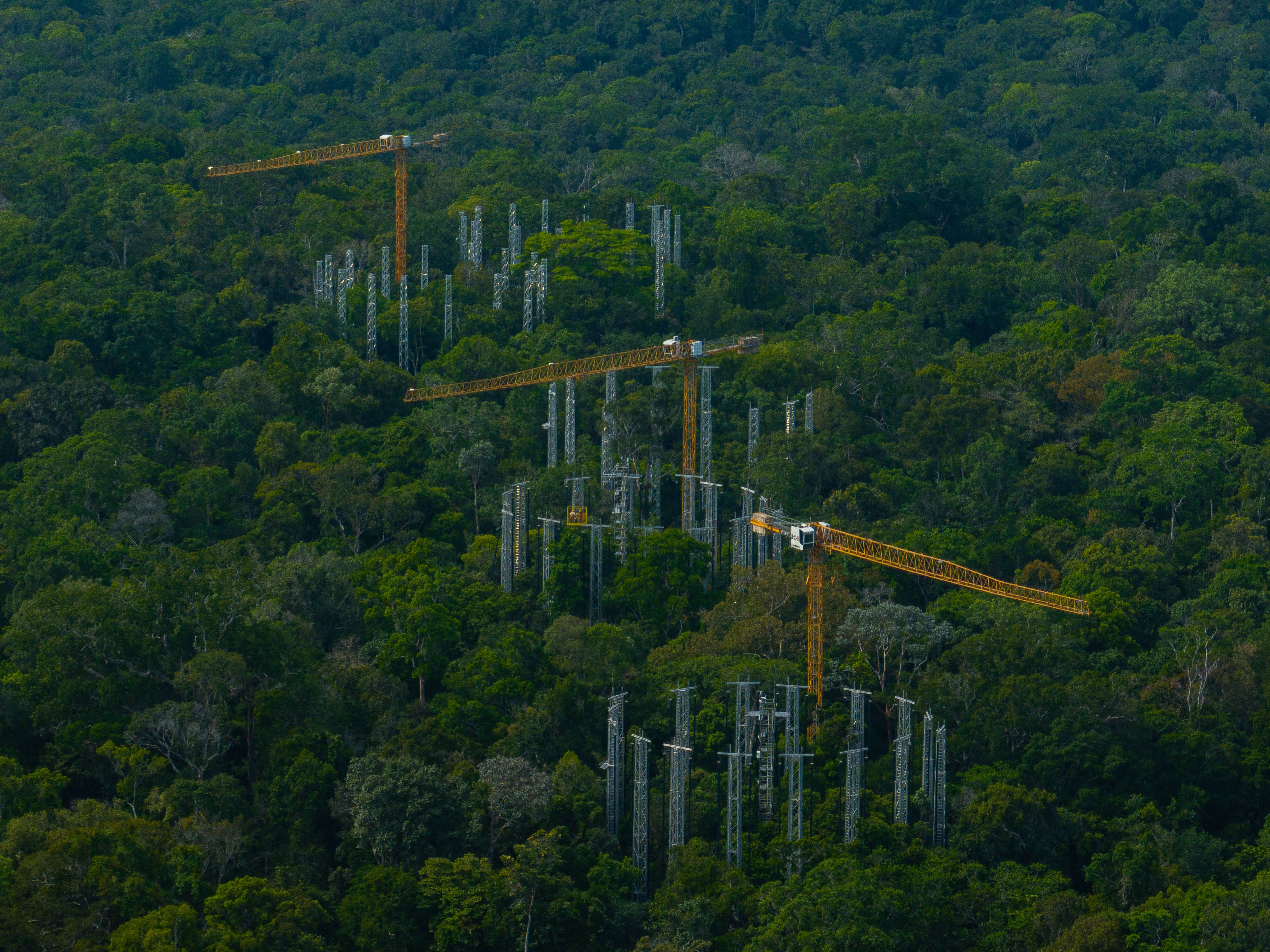

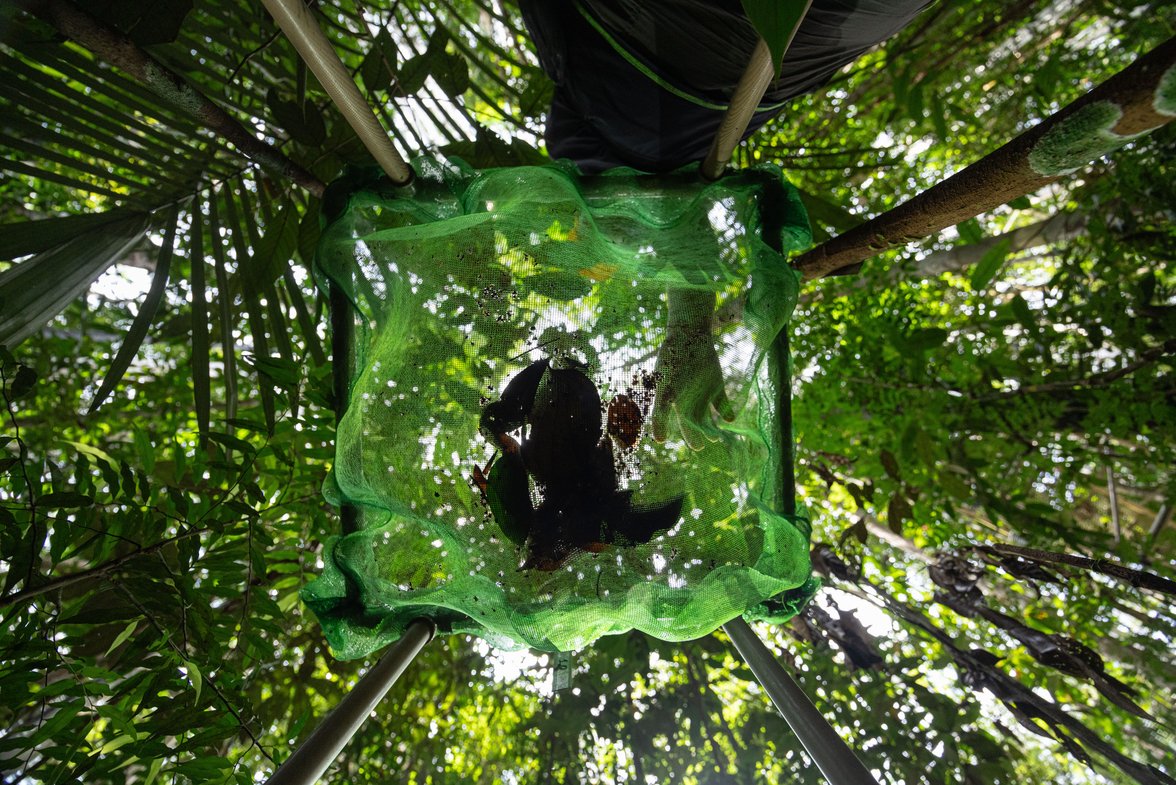
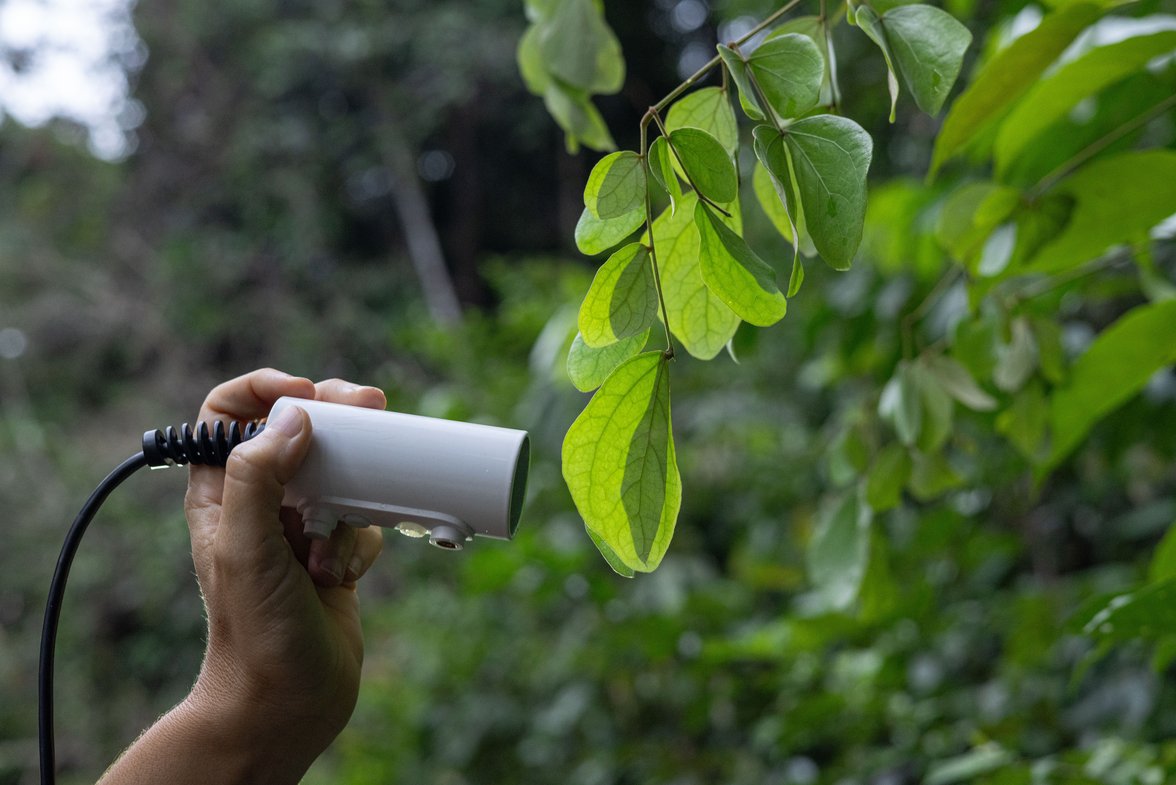
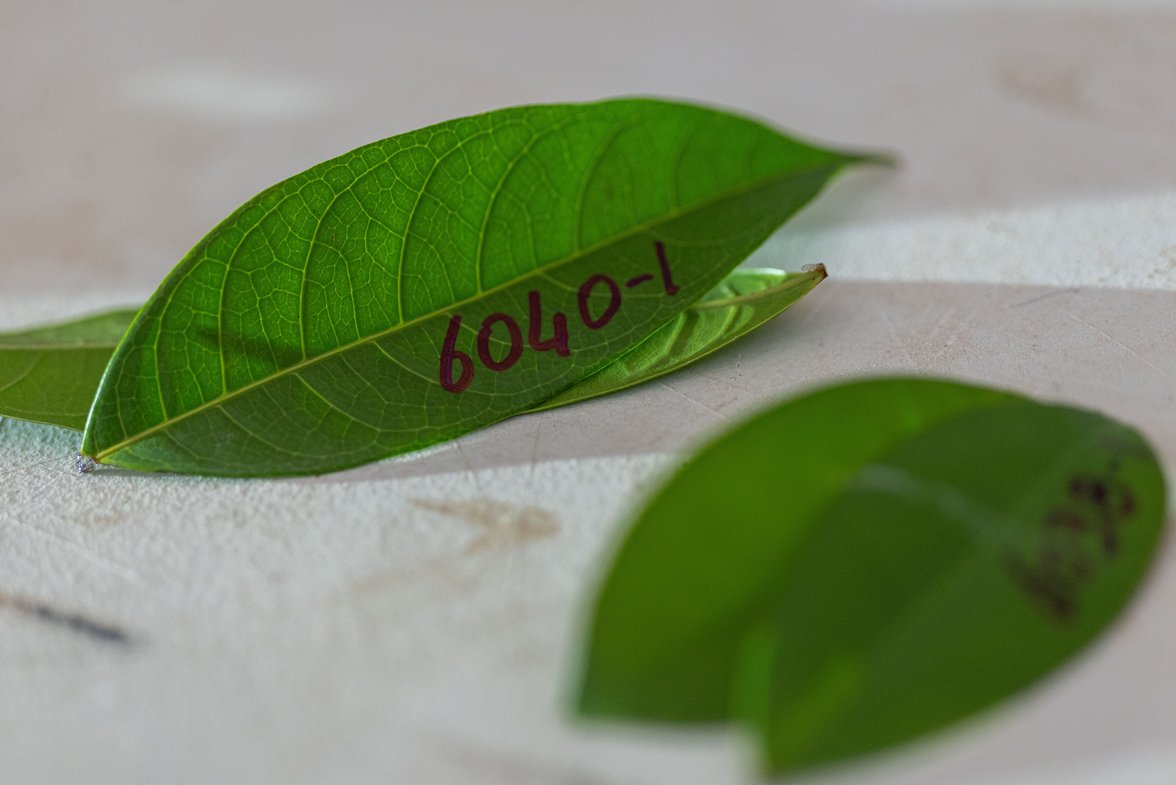
Since 2014, a multidisciplinary team of scientists has employed state-of-the-art tools and methods to investigate the dynamics of the forest, from deep within the soil to above the forest canopy, in order to establish a baseline characterization of the experimental forest. Six research areas, Carbon, Nutrients, Water, Biodiversity, Socio-Environmental impacts, and Modelling, are the focus of the Program.
The Technical University of Munich leads the integrative approach of combining modeling and experimentation. Model development and simulations inform the experimental design and generate testable hypotheses that are directly evaluated through targeted experiments. This close interaction enables the experimental team to optimize their research strategy and to collect the critical data needed to unravel the underlying processes driving forest responses under different climate scenarios.
AmazonFACE team @ TUM

Prof. Anja Rammig is the Chair of the Scientific Steering Committee of the AmazonFACE project. Her scientific work focuses on the model-data integration and process upscaling from local to global scale.
Dr. Nathielly Pires Martins is a postdoctoral researcher at TUM and a collaborating researcher in the AmazonFACE project. Since 2016, she has been part of the AmazonFACE Program team, acting as co-leader of the root and soil collections. Her work focuses on the study of nutrient cycles and resource acquisition mechanisms by plants and microorganisms under different conditions of climate change.

Prof. Thorsten Grams is a member of the Scientific Steering Committee of the AmazonFACE project. His scientific work focuses on the carbon research area. He also supports people interested in stable isotope analyses (H, C, N and O).
Dr. João Paulo Darela Filho is a postdoctoral researcher at TUM and a collaborating researcher in the AmazonFACE project. Developer of the CAETE model, he currently uses the MAESPA model to simulate gas exchange in AmazonFACE plots.
Cooperation partners






Homepage: AmazonFACE
"The Amazon FACE project: Exploring the impact of climate change on the rainforest" on Youtube:
For german version click here.
For english version click here.
Watch the installation phase of Amazon FACE here.
BBC article: Trees might not be acting in the way we thought - this forest fitted with pipes can tell us why.
By simulating the future atmosphere, scientists hope to understand whether trees will continue to act as the lungs of the planet.
2025
- Valverde-Barrantes O.J., Lugli L.F., Fuchslueger L., Hofhansl F., Martins N., Cordeiro A.L., Schapp K., Anderson K., Garcia S., Grandis A., Miron C.A., Fleisher K., Hoosbeek M.R., Hartley I.P., Mendoza E.O., Lapola D., Quesada C.A. (2025). Rainfall seasonality shapes belowground root trait dynamics in an Amazonian tropical rainforest: A test of the stress-dominance hypothesis. British Ecological Society, Functional Ecology
- Lapola, D. M., Blanco, C. C., Cardeli, B. R., Esquivel-Muelbert, A., Martinelli, J. V., Quesada, C. A. N., Rius, B. F., & Silva-Junior, C. H. L. (2025). Not just semantics: CO2 fertilization can be a disturbance leading to worldwide forest degradation. Plants, People, Planet, 1–6.
2024
- Lapola, D.M., I.P. Hartley, R. Norby, C.A.N. Quesada, A. Esquivel-Muelbert, A. Rammig, B.T.T. Portela, C. Blanco, F. Santana, I.S. Pereira, I. Aleixo, K. Fleischer, L.F. Lugli, L. Fuchslueger, L. Rowland, M.C.G. Padgurschi, M.S. Monteiro, S. Garcia, T.F. Domingues. (2024). AmazonFACE: Assessing the effects of increased atmospheric CO2 on the ecology and resilience of the Amazon forest – 2025-2030 Science Plan. Ministério da Ciência, Tecnologia e Inovação – MCTI, Brasília, DF, Brazil. 92p.
Damasceno, A. R., Garcia, S., Aleixo, I. F., Menezes, J. C. G., Pereira, I. S., De Kauwe, M. G., … & Domingues, T. F. (2024). In situ short‐term responses of Amazonian understory plants to elevated CO2. Plant, Cell & Environment, 47(5), 1865-1876.
2023
- Martins, N.P., Valverde-Barrantes, O., Fuchslueger, L., Lugli, L.F., Grandis, A., Hofhansl, F., Takeshi, B., Ushida, G. and Quesada, C.A. (2024), Fine root presence and increased phosphorus availability stimulate wood decay in a central Amazonian rainforest. Oikos, 2024: e09996.
Hoosbeek, M.R., Schaap, K.J. & Quesada, C.A. Carbon, nitrogen and phosphorous contents, related enzyme activities and organic matter fractions of litter and soil in a terra firme forest in Central Amazonia. Eur J Forest Res (2023).
2022
- Ellsworth, D. S., Crous, K. Y., De Kauwe, M. G. et al. (2022). Convergence in phosphorus constraints to photosynthesis in forests around the world. Nature communications, 13(1), 1-12.
- Reichert, T., Rammig, A., Fuchslueger, L., et al. (2022). Plant phosphorus‐use and‐acquisition strategies in Amazonia. New Phytologist, 234(4), 1126-1143.
Menezes, J., Garcia, S., Grandis, A., et al. (2022). Changes in leaf functional traits with leaf age: when do leaves decrease their photosynthetic capacity in Amazonian trees? Tree physiology, 42(5), 922-938.
2021
- Rammig, A., & Lapola, D. M. (2021). The declining tropical carbon sink. Nature Climate Change, 11(9), 727-728.
- Schaap, K. J., Fuchslueger, L., Hoosbeek, M. R. et al. (2021). Litter inputs and phosphatase activity affect the temporal variability of organic phosphorus in a tropical forest soil in the Central Amazon. Plant and Soil, 469(1), 423-441.
- Martins, N. P., Fuchslueger, L., Fleischer, K., et al. (2021). Fine roots stimulate nutrient release during early stages of leaf litter decomposition in a Central Amazon rainforest. Plant and Soil, 469(1), 287-303.
- Sampaio, G., Shimizu, M. H., Guimarães-Júnior, et al. (2021). CO2 physiological effect can cause rainfall decrease as strong as large-scale deforestation in the Amazon. Biogeosciences, 18(8), 2511-2525.
2020
- Laynara F. Lugli, 2020. Digging deeper? Biomass allocation patterns in trees and lianas in tropical seasonal forests. New Pythologist
- Anja Rammig, 2020. Tropical carbon sinks are saturating at different times on different continents. Nature.
- Amanda L. Cordeiro, 2020. Fine-root dynamics vary with soil depth and precipitation in a low-nutrient tropical forest in the Central Amazonia. Journal of Plant-Environment Interactions.
2019
- Fleischer, K. et al., 2019. Amazon forest response to CO2 fertilization dependent on plant phosphorus acquisition. Nature Geoscience 12: 736-741.
- Pereira, I. S, H. E. M. Nascimento, M. B. Vicari, M. Disney, E. DeLucia… & F. Hofhansl. 2019. Performance of laser-based electronic devices for structural analysis of Amazonian terra-firme forests. Remote Sensing 11: 510.
2018
- Grossman, D., D. M. Lapola. 2018. Floresta em risco: as mudanças climáticas destruirão a floresta Amazônica? / Jungle at risk: will climate change destroy the Amazon forest? Campinas: AmazonFACE/Biblioteca Unicamp. 63p.
- Lapola, D. M., P. Pinho, C. A. Quesada, B. B. N. Strassburg, A. Rammig, B. Kruijt, F. Brown, J. P. H. B. Ometto, A. Premebida, J. A. Marengo, W. Vergara, C. A. Nobre. 2018. Limiting the high impacts of Amazon forest dieback with no-regrets science and policy action. Proceedings of the National Academy of Sciences of the USA 115: 11671-11679.
- Lapola, D. M. 2018. Bytes and boots to understand the future of the Amazon forest. New Phytol, 219: 845-847. doi:10.1111/nph.15342.
2017
- Zemp et al. 2017. Self-amplified Amazon forest loss due to vegetation-atmosphere feedbacks. Nature Communications 8, 14681. doi.org/10.1038/ncomms14681
2016
- Norby, et al. 2016. Model-data synthesis for the next generation of forest free-air CO2 enrichment (FACE) experiments. New Phytol. 209(1):17-28. doi: 10.1111/nph.13593
- Grossman, D. 2016. Amazon rainforest to get a growth check. Science 352: 635-636.
Hofhansl, et al. (2016). Amazon forest ecosystem “responses to elevated atmospheric CO2 and alterations in nutrient availability: filling the gaps with model-experiment integration. Front. Earth Sci. doi: 10.3389/feart.2016.00019.
2015
- Popkin, G. 2015. Weighing the world’s trees. Nature 523: 20-22.
2014
- Garcia R. 2014. Amazonia sob teste. Folha de Sao Paulo 07.Mai.2014. C9.
- Lapola D. M. & R. J. Norby (orgs.) 2014. AmazonFACE, Assessing the effects of increased CO2 on the ecology and resilience of the Amazon forest – Science Plan & Implementation Strategy. MCTI, Brasilia, 54p.
2013
- Tollefson, J. 2013. Experiment aims to steep rainforest in carbon dioxide. Nature 496: 405-406.
PI LSAI: Prof. Anja Rammig
Staff LSAI: Dr. Nathielly Pires Martins, Prof. Thorsten Grams, Dr. João Paulo Darela Filho
Project partner:
Time frame:
Funding:
Homepage: AmazonFACE